The Future of Manufacturing with Custom Plastic Injection Molding Solutions
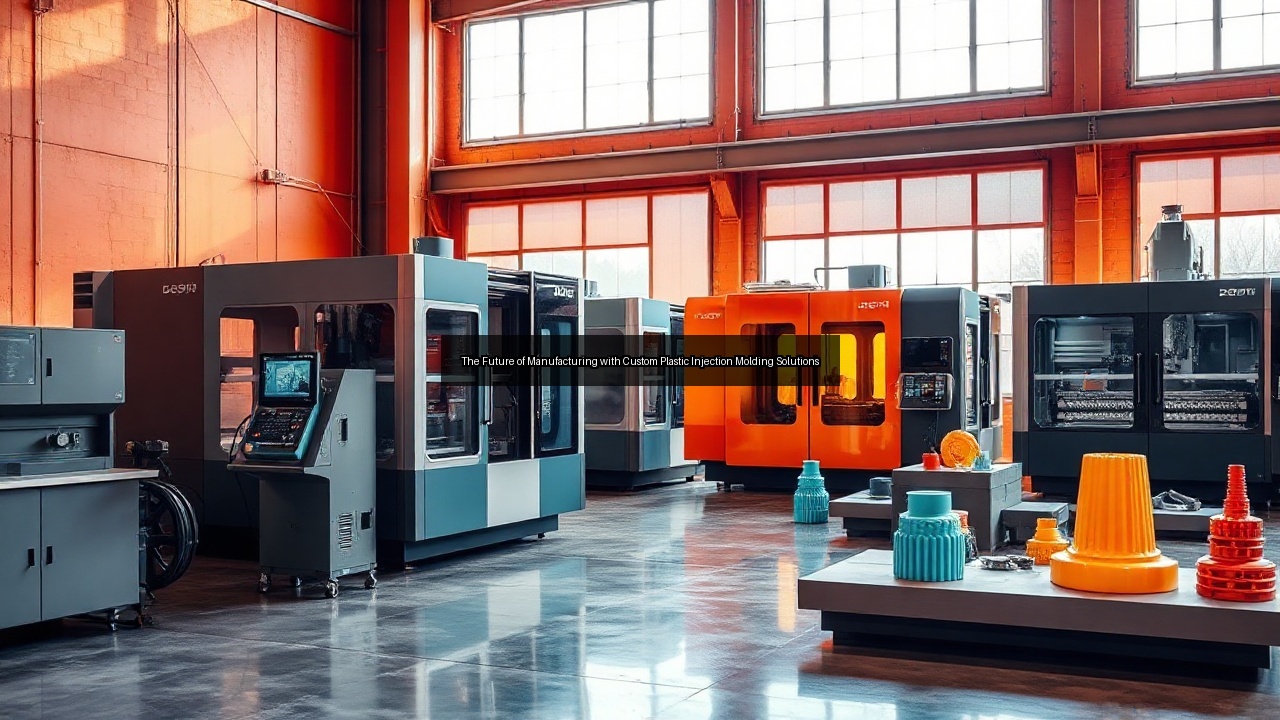
Innovations in Custom Plastic Injection Molding
Advancements in Injection Molding Technology
Manufacturers now deploy high-speed servo-driven machines that cut cycle times by up to 40 percent while maintaining tight tolerances on every shot. These systems integrate real-time sensors that monitor melt temperature, cavity pressure, and viscosity, allowing immediate adjustments during the injection molding process. Thermoplastic injection molding services benefit from multi-shot capabilities that combine rigid and soft materials in a single cycle. Custom plastic injection molding companies use predictive analytics software to forecast tool wear and schedule maintenance before defects appear. This reduces downtime and keeps production lines running at peak efficiency across high-volume runs of custom plastic parts.
The Role of 3D Printing in Prototyping
Design teams print functional prototypes in hours rather than weeks using advanced 3D printing resins that mimic the mechanical properties of final injection molded parts. Engineers test fit, form, and function on these models before committing to steel injection molds. Rapid iteration shortens the bridge from concept to production, lowering overall project risk. Custom plastic injection molding workflows now incorporate 3D printed inserts for low-volume validation runs that replicate production conditions. This hybrid approach validates gate locations, venting, and cooling channels early, preventing costly mold modifications later.
Utilizing Liquid Silicone Rubber for Versatile Solutions
Liquid silicone rubber flows into complex geometries at low injection pressures, producing flexible seals, gaskets, and medical components that withstand extreme temperatures and chemicals. Custom plastic injection molding operations pair LSR with thermoplastics through overmolding to create ergonomic grips and waterproof housings. The material cures quickly inside heated molds, supporting high throughput without secondary bonding steps. Manufacturers achieve consistent durometer readings and excellent tear resistance across batches, meeting stringent regulatory requirements in automotive and healthcare sectors.
Techniques and Processes in Custom Plastic Injection Molding
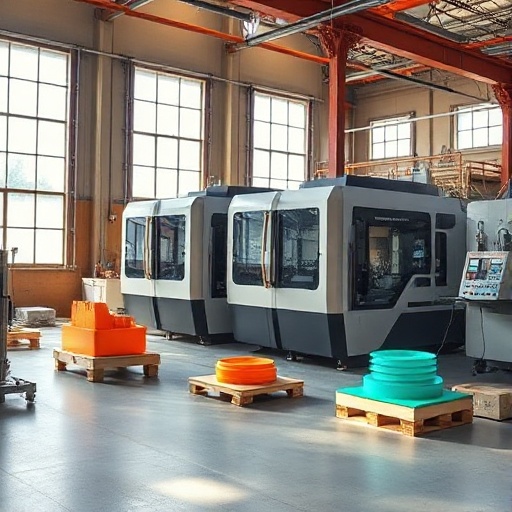
Understanding Overmolding and Insert Molding
Overmolding bonds a soft elastomer layer directly onto a rigid substrate during a single molding cycle, eliminating adhesives and mechanical fasteners. Insert molding places metal threaded inserts or other components into the mold cavity before plastic injection, creating strong, integrated assemblies. These techniques reduce part count and assembly labor while improving structural integrity. Custom plastic injection molding providers select materials with compatible shrinkage rates to prevent delamination or stress cracking. Proper mold design ensures uniform flow around inserts, maintaining precise positioning and achieving reliable pull-out strength in finished components.
The Injection Molding Process Explained
The injection molding process begins with resin drying and melting inside a reciprocating screw barrel. Molten material then injects under controlled pressure into a closed mold cavity. Cooling channels solidify the part before ejection, after which the cycle repeats. Custom plastic injection molding services optimize packing pressure and hold time to eliminate sink marks and voids. Precise control of back pressure and screw speed ensures homogeneous melt quality. Process monitoring software records every parameter, enabling traceability and quick troubleshooting when variations occur.
The Importance of Surface Finishes and Machining Techniques
Surface finishes determine both aesthetics and functional performance of injection molded parts. Mold makers apply EDM texturing, diamond polishing, or chemical etching to achieve matte, gloss, or patterned appearances. CNC machining creates the precise mold cavities and cores that deliver these finishes consistently. Custom plastic injection molding teams match finish specifications to end-use requirements, such as easy-release surfaces for consumer goods or high-friction textures for tool grips. Proper finish selection also reduces post-molding operations like painting or plating, lowering total manufacturing cost.
Cost Considerations for Custom Plastic Injection Molding
Pricing Structures and Budgeting for Custom Molds
Custom mold pricing typically includes design, steel, and labor components, with multi-cavity tools commanding higher upfront investment but lower per-part cost at volume. Buyers should request detailed quotes that separate mold fabrication from sampling and production runs. Custom plastic injection molding companies often offer tiered pricing based on annual volume commitments. Accurate part weight calculations and cycle time estimates help project total spend over the product lifecycle. Transparent budgeting prevents surprises when scaling from prototypes to full production.
Factors Influencing Injection Mold Costs
Material selection, part geometry, and tolerance requirements drive injection mold costs more than any other variables. Complex undercuts necessitate side actions or lifters that increase tool complexity and price. Steel grade affects durability; hardened tool steel supports higher volumes but raises initial expense. Custom plastic injection molding projects also factor in surface finish level and the number of cavities. Hot runner systems reduce material waste yet add cost compared with cold runner designs. Early design reviews identify opportunities to simplify geometry and control expenses.
Cost-Effective Strategies for Custom Manufacturing
Standardizing part features across product families allows mold makers to reuse components and reduce lead times. Family molds that produce multiple parts in one shot improve machine utilization. Custom plastic injection molding teams evaluate aluminum tooling for bridge production before committing to hardened steel. Strategic placement of gates and optimized cooling layouts shorten cycle times, directly lowering per-part cost. Regular mold maintenance extends tool life and protects against unexpected repair expenses during long production campaigns.
Quality Assurance in Injection Molding
ISO 9001 Standards in Plastic Injection Molding
ISO 9001 certification requires documented procedures for every stage of the injection molding process, from incoming material inspection to final part validation. Custom plastic injection molding facilities maintain process capability studies and control plans that track critical dimensions. Regular internal audits and management reviews drive continuous improvement. Customers gain confidence knowing that statistical process control data supports every production lot, reducing the risk of defects reaching assembly lines or end users.
The Role of Inspection and Testing in Production
In-process inspection catches dimensional drift before parts accumulate in bins. Coordinate measuring machines verify critical features against CAD models, while optical comparators check profiles and surface details. Custom plastic injection molding operations also perform material lot testing for melt flow index and impact strength. First-article inspections establish baseline data, and ongoing sampling plans confirm process stability. These rigorous checks protect brand reputation and minimize costly recalls.
Ensuring Precision with CNC Machining and EDM Tools
CNC machining delivers the tight tolerances required for mating surfaces and sealing features in injection molds. EDM creates intricate details such as thin ribs and sharp corners that conventional milling cannot achieve. Custom plastic injection molding toolrooms combine both technologies to produce cavity geometries accurate to microns. Electrode wear compensation and automated probing maintain consistency across multiple cavities. Precision tooling directly translates into repeatable part quality and reduced scrap rates during production.
Future Trends and Applications of Custom Plastic Injection Molding
The Rise of Sustainable Materials in Manufacturing
Bio-based and recycled resins now enter custom plastic injection molding streams without sacrificing mechanical performance. Material suppliers formulate compounds that process on existing equipment, lowering the barrier to adoption. Closed-loop systems recapture sprue and runner material for regrind, reducing waste. Custom plastic injection molding companies track carbon footprints and offer life-cycle assessments that help clients meet corporate sustainability goals. These advances position injection molding as a responsible choice for environmentally conscious product lines.
Custom Plastic Parts in the Construction Industry
Builders specify injection molded components for electrical boxes, pipe fittings, and insulation anchors that resist corrosion and extreme weather. Custom plastic injection molding delivers large structural parts with integrated fasteners that speed on-site assembly. Lightweight alternatives to metal reduce transportation costs and installation labor. Weatherable additives and UV stabilizers extend service life in outdoor applications. The construction sector increasingly relies on these durable, code-compliant parts for both residential and commercial projects.
Exploring the Potential of Laser Engraving for Customization
Laser engraving adds permanent serial numbers, logos, and QR codes directly onto molded surfaces after ejection. The process requires no molds or inks and works on a wide range of thermoplastics. Custom plastic injection molding services combine laser marking with variable data printing to support traceability programs. Deep engraving creates tactile features for safety grips or branding that withstand abrasion. This flexible customization method supports short-run personalization without retooling, expanding market opportunities for manufacturers.
See Also
- Maximizing Efficiency and Quality in Custom Plastic Injection Molding
- Exploring the Intersection of 3D Printing and Custom Plastic Injection Molding
- Unlocking the Benefits of Custom Plastic Injection Molding for Your Business
- Custom Plastic Injection Molding Techniques That Revolutionize Product Design
- Innovative Surface Finishes for Custom Plastic Injection Molded Products